E-Waste Pickup Services: Optimizing Your Recycling Efforts for a Sustainable Future
Electronic waste pickup solutions are revolutionizing how individuals and businesses approach recycling. These services simplify the disposal process while adhering to environmental standards. They not only lessen the difficulty of hauling heavy electronic equipment but also promote eco-friendly practices. As consumers continue to prioritize green alternatives, comprehending the intricacies of these services becomes critical. What criteria should one examine when picking an electronic waste pickup provider? The answer may surprise you.
How E-Waste Pickup Reduces Environmental Impact
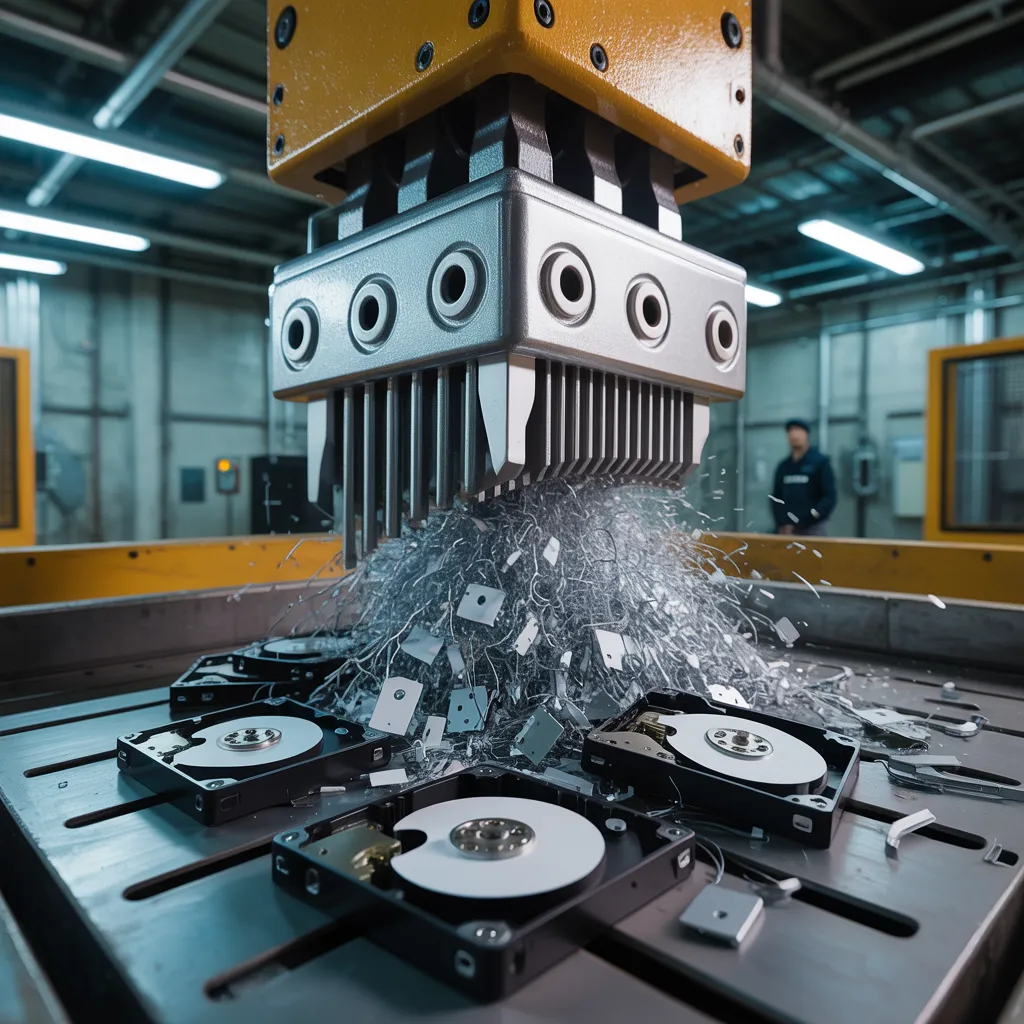
E-waste collection services play an essential role in minimizing the environmental effects of disposed electronics, as they enable the proper disposal and recycling of hazardous materials. These initiatives work to prevent harmful substances, such as mercury, lead, and cadmium, from polluting soil and water sources. By efficiently collecting and transporting e-waste, they guarantee that harmful components are handled in accordance with environmental regulations.
In addition, electronic waste pickup services support the recovery of resources by redirecting valuable materials, including copper, gold, and silver, back into the manufacturing process. This minimizes the demand for freshly sourced raw materials, consequently safeguarding natural resources and Full guide minimizing energy expenditure related to the mining and processing of materials.
Furthermore, these services raise public awareness about the value of responsible e-waste handling, prompting people and organizations to adopt sustainable practices. On the whole, e-waste retrieval services considerably support a healthier, cleaner environment by managing the challenges resulting from electronic waste.
Why You Should Use E-Waste Pickup Services
E-waste collection services provide notable benefits for homeowners and organizations alike. These solutions offer practical pickup options, simplifying the disposal of old electronics. Moreover, they guarantee sustainable disposal solutions, contributing to the reduction of ecological damage caused by e-waste.
Flexible Collection Methods
When individuals and businesses seek to handle the responsible disposal of e-waste, leveraging pickup services delivers an effortless option. These services offer flexible collection options tailored to different schedules and requirements. Clients can often choose from flexible pickup times, accommodating both residential and commercial locations. This eliminates the need for transporting bulky items to recycling centers, saving valuable time and effort. Furthermore, numerous e-waste collection services provide same-day or pre-scheduled pickups, improving convenience. By simplifying the collection procedure, these services motivate more individuals to recycle their electronics, significantly lowering the environmental footprint of e-waste. The simplicity of booking and pickup encourages proper disposal habits, establishing it as an ideal option for those seeking to support a more sustainable future.
Sustainable Disposal Practices
Utilizing electronic waste collection services ensures that electronic devices are managed with environmental responsibility. These services specialize in handling a wide range of electronic waste, ensuring that harmful substances, including lead and mercury never reach landfills. By partnering with certified recyclers, electronic waste collection services support resource preservation via the reclamation of valuable materials, lessening the demand for virgin raw materials. Additionally, these providers regularly follow local and international regulations, advancing eco-friendly practices. Companies and individuals benefit from the convenience of scheduled pickups, alleviating the burden of transporting bulky items. At the core of it all, choosing green disposal options through e-waste pickup providers builds a foundation of sustainable thinking, supporting mindful consumer practices and decreasing environmental harm.
What Are the Expectations for E-Waste Pickup?
What should one anticipate during an e-waste pickup? Individuals can expect a streamlined process designed to facilitate responsible recycling of electronic waste. First, an appointment will be confirmed in advance, providing ample time for preparation. During the scheduled pickup, a professional team will show up ready to manage numerous types of electronic equipment, ensuring secure transport and a hassle-free process.
Clients need to prepare their electronic waste by sorting items that need to be collected, as this helps streamline the collection process. The collection crew might give direction on what can and cannot be accepted. Safety measures are often in place, including safety equipment and appropriate handling methods for hazardous materials.
Furthermore, transparency is of utmost importance; clients are often given a written confirmation of the devices collected, strengthening the focus on ethical disposal. In summary, the e-waste collection service aims to simplify the e-waste recycling experience while encouraging environmentally friendly practices.
Important Considerations for Picking an E-Waste Pickup Service
What steps can someone take to ensure they select the best e-waste pickup service? Selecting an appropriate service requires careful consideration of several key criteria. Initially, one must ensure the service holds the necessary certifications and meets local and national environmental requirements. This guarantees that e-waste is handled responsibly and legally. Next, one should assess the company's reputation through customer reviews and testimonials, providing insight into their reliability and professionalism.
In addition, considering the breadth of services available can be helpful; a thorough service may include data destruction, recycling, and refurbishment options. Moreover, transparency in pricing is important; clear, upfront costs help avoid unexpected fees. Ultimately, consider the company's responsiveness and customer service, as clear communication facilitates a more seamless collection process. By emphasizing these considerations, individuals and businesses can confidently select an e-waste pickup service that aligns with their sustainability goals.
Scheduling Your E-Waste Pickup?
What is the optimal time to arrange an e-waste pickup? The timing of your pickup can significantly affect the efficiency of the recycling process. Ideally, individuals should consider scheduling pickups during weekdays when service providers often have more availability. Early mornings or late afternoons may also be ideal, as these times typically experience less traffic, allowing for quicker service.
Furthermore, forward planning is important. Customers should aim to book pickups several days in advance, particularly throughout peak periods or community collection events. This helps ensure that the designated service can fulfill specific requests and requirements.
Additionally, aligning the gathering with other household chores or decluttering efforts can streamline the procedure. By organizing the electronics recycling collection with personal schedules, people can make the recycling effort more efficient and less disruptive. At the core, deliberate timing promotes a more streamlined e-waste collection journey, nurturing a pledge to ecological responsibility.
What Does the Future Hold for E-Waste Recycling?
As the e-waste problem keeps expanding, advancing recycling innovations stand ready to reshape the landscape. Expected regulatory developments could significantly strengthen recycling initiatives, while innovative collection methods promise to make e-waste disposal more accessible. Collectively, these changes stand to considerably enhance the productivity and success of e-waste recycling efforts.
Advanced Technologies in Recycling
Innovations in technology are poised to revolutionize e-waste recycling, boosting sustainability and efficiency. Cutting-edge robotics and automated classification systems are progressively being incorporated into recycling facilities, enabling the exact extraction of precious components from electronic waste. Machine learning and artificial intelligence serves a vital function in enhancing these procedures, supporting real-time decision-making and enhancing recovery rates. Moreover, pioneering techniques such as biotechnological methods and hydrometallurgy have the potential to isolate rare metals with limited harm to the environment. Blockchain-based systems has also been considered for overseeing e-waste during the recycling process, guaranteeing traceability and responsibility. As these developments progress, they will considerably lower the ecological footprint of e-waste disposal, paving the way for a greener tomorrow in e-waste management.
Upcoming Policy Changes
Legislators are gearing up to implement major regulatory reforms intended to strengthen e-waste recycling practices. Such efforts aim to confront the increasing challenges related to e-waste and the harm it causes to the environment. Suggested guidelines encompass more rigorous requirements for producers related to overseeing product end-of-life processes, motivating them to create recyclable products. Moreover, benefits for end users to bring back used devices are under consideration, encouraging environmentally mindful practices. Authorities may additionally boost financial support for e-waste collection initiatives, aiming to expand access and efficiency in the collection of used electronics. By promoting transparency and accountability throughout the recycling workflow, officials seek to lower the volume of waste sent to landfills and improve resource recovery, thus establishing a more environmentally responsible framework toward handling electronic waste sustainably in coming years.
Modern Collection Strategies
Reimagining electronic waste collection approaches is vital for improving the efficiency and accessibility of recycling. Innovative technologies, such as mobile apps, facilitate on-demand pickups, permitting consumers to arrange flexible pickup schedules. Additionally, collaborations with nearby businesses and community hubs provide designated drop-off points, increasing the convenience of recycling. Innovative containers integrated with detection systems can monitor fill levels, securing efficient collection and streamlining logistics. In addition, gamification strategies encourage participation by rewarding individuals or communities for their recycling efforts. These developments not only optimize the retrieval workflow but also promote understanding of proper electronic waste management. As these innovative methods gain traction, they promise a more sustainable future for e-waste recycling, thereby fostering a healthier environment.
Frequently Asked Questions
What Types of E-Waste Are Accepted for Pickup?
Electronic waste collection services generally collect items such as aging computers, televisions, mobile phones, tablets, printers, and a range of electronic accessories. These services aim to responsibly recycle and dispose of electronic equipment in a sustainable and responsible way.
Are There Any Fees Associated With E-Waste Pickup Services?
Costs for e-scrap collection programs tend to fluctuate depending on your area and the category of electronic items being collected. Certain providers may supply no-cost retrieval, while others may impose costs depending on the volume or specific items.
How Is Data Security Protected During E-Waste Disposal?
Data safety during electronic waste disposal is secured through processes like secure data erasure, physical demolition of storage media, and verification from certified recyclers, safeguarding sensitive information and preventing unauthorized access to personal and corporate data.
Are E-Waste Pickup Services Available for Businesses?
Yes, businesses can take advantage of electronic waste collection services. Such services are tailored to meet the needs of organizations, guaranteeing the proper disposal and recycling of electronic devices while encouraging eco-friendly practices and conformity with guidelines for responsible e-waste disposal.
What Happens to E-Waste After It's Picked Up?
After e-waste is retrieved, it is carefully sorted to identify recyclable materials, followed by careful dismantling and material processing. Harmful components are responsibly disposed of, while salvageable metals and plastics are given new purpose, supporting sustainable resource management initiatives.